How AI Event Lighting Visualizations Help Orlando Clients See Their Event Before Installation
September 20, 2026
Event lighting is visual by nature, but describing how a dark pool deck, ballroom, convention hall, wedding venue, or outdoor property could look after professional lighting is installed can still be difficult. TYLERLIGHT is now using AI-assisted event lighting visualization as a planning tool to help clients see potential lighting concepts in their actual space before equipment arrives on site.
What Is AI Event Lighting Visualization?
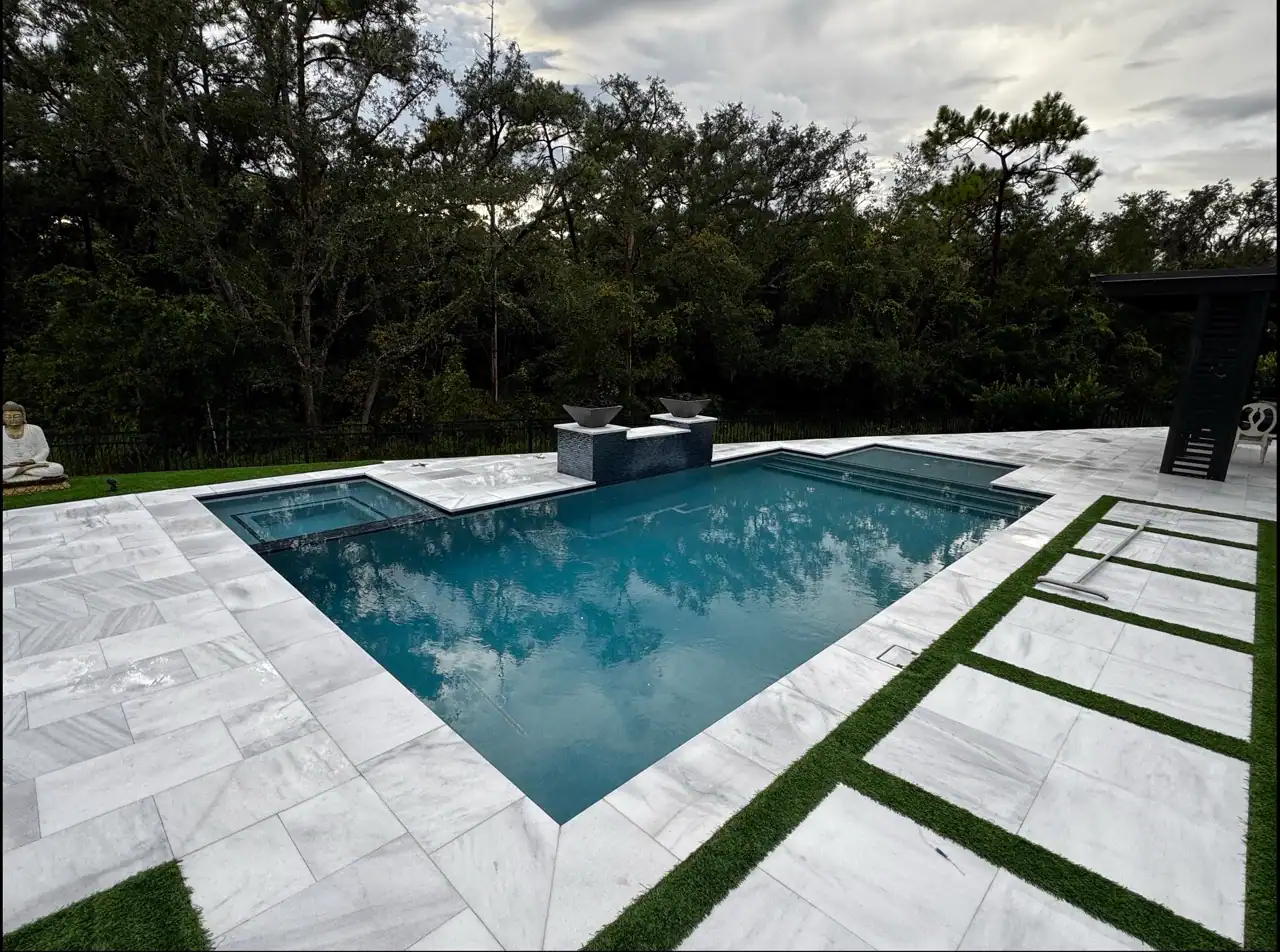
AI-assisted event lighting visualization allows TYLERLIGHT to begin with a photograph of a client’s actual venue and create a conceptual representation of how professional lighting and production elements could transform the space.
Instead of asking a client to imagine what several uplights, chandeliers, truss towers, textured projections, illuminated fixtures, or other lighting elements might look like, a visualization can place those ideas directly into an image of the venue.
The technology can also help simulate changes in ambient light. That is especially useful when the only available venue photograph was taken during daylight or around sunset, while the event itself will take place after dark.
For clients planning event lighting in Orlando and throughout Central Florida, this can make an early design conversation much easier. A client can react to something visible: move a fixture, change a lighting direction, remove an element, add more functional light, or explore an entirely different concept.
AI-assisted renderings are conceptual planning tools, not guarantees of an exact final appearance. Actual lighting can vary based on venue conditions, fixture placement, ambient light, power, décor, weather, architecture, equipment, and other production requirements.
Starting With the Client’s Real Event Space
One recent TYLERLIGHT design conversation started with a client’s backyard pool deck. The original photograph showed the property before event lighting had been added.
Instead of transporting several pieces of equipment to the property simply to demonstrate possible looks, TYLERLIGHT used the venue photo to explore an initial concept digitally.
The first direction incorporated illuminated decorative railing, chandelier elements, and additional lighting around the pool area. The purpose was not to produce a final construction drawing. It was to answer a much more useful early question: “Is this the kind of atmosphere the client wants?”
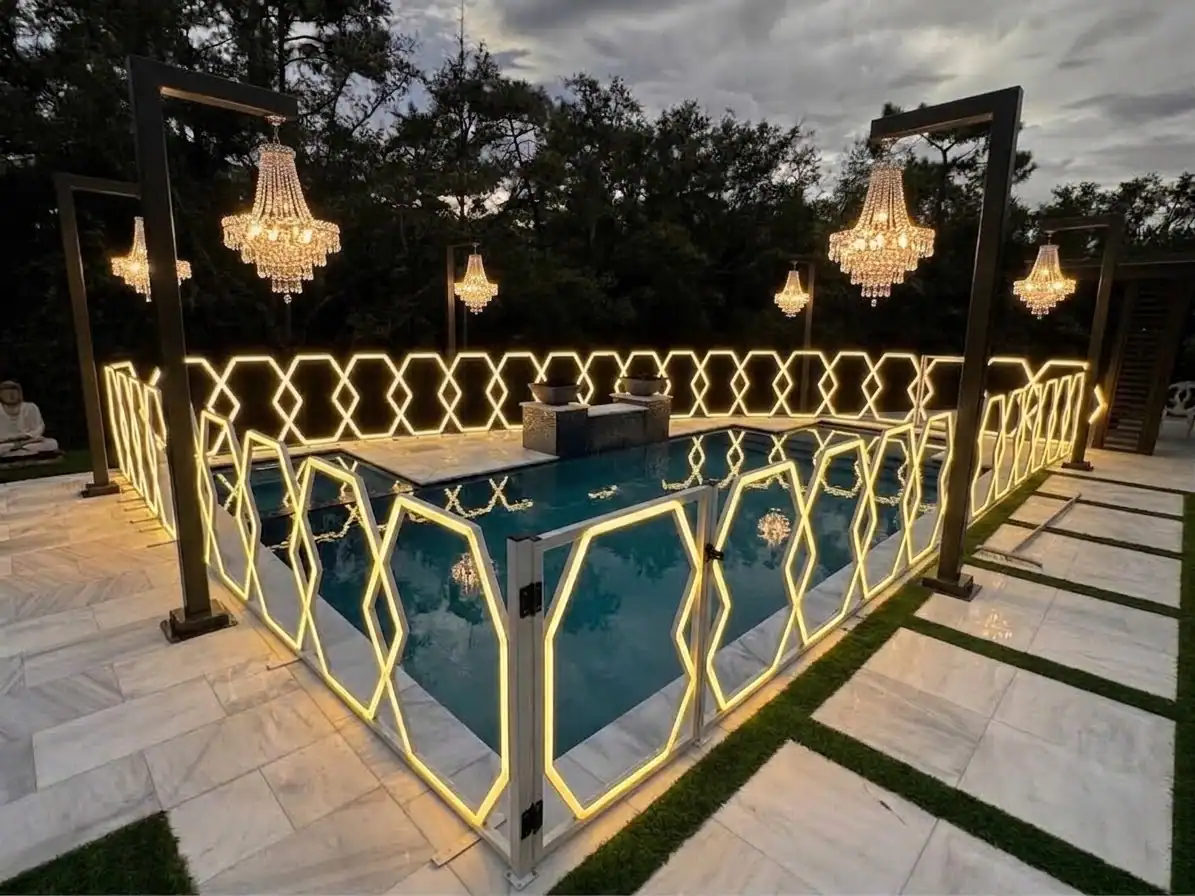
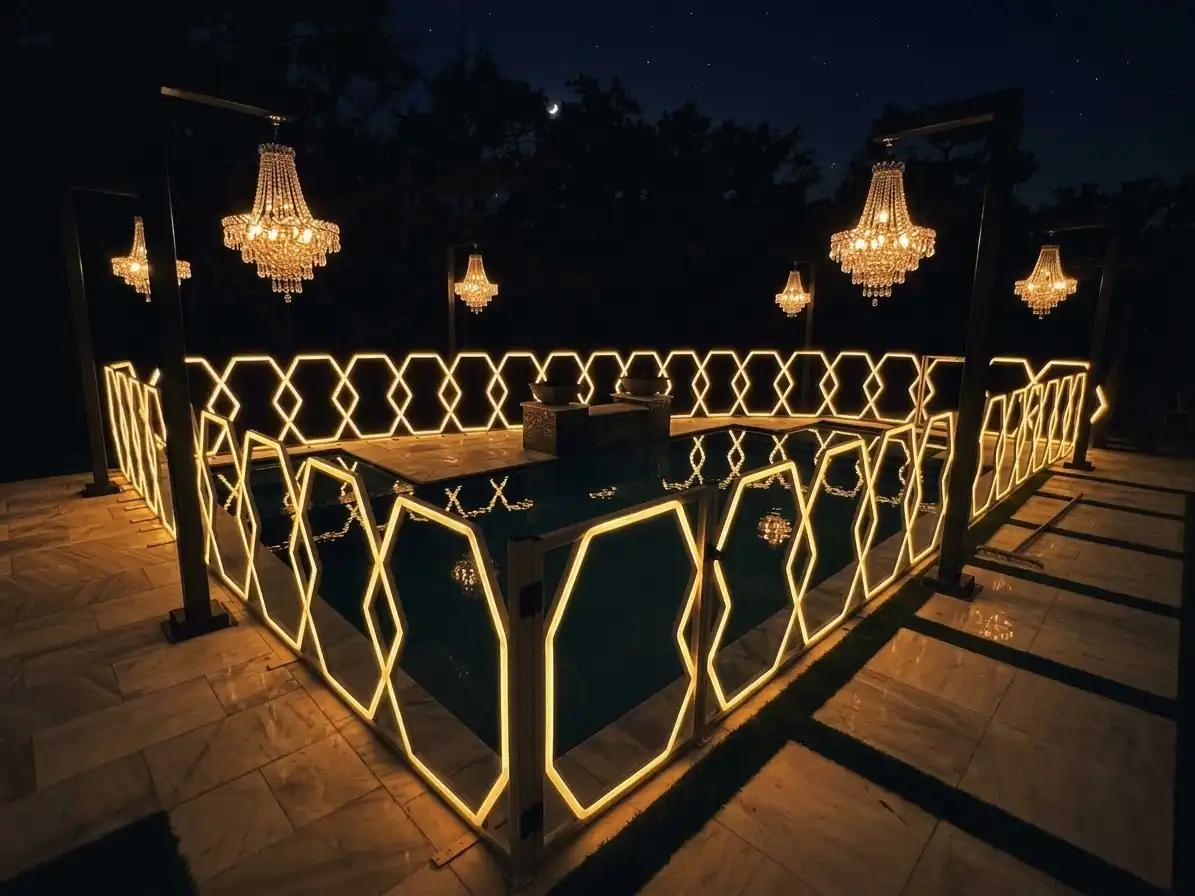
This is where visualization becomes especially useful. Once the first concept was shown, the client was able to determine that this was not the direction she wanted.
That feedback did not represent a failed design. It actually made the process more efficient. Discovering what a client does not want can be just as valuable as identifying the final look.
Exploring Truss Towers, Uplighting and Textured Lighting
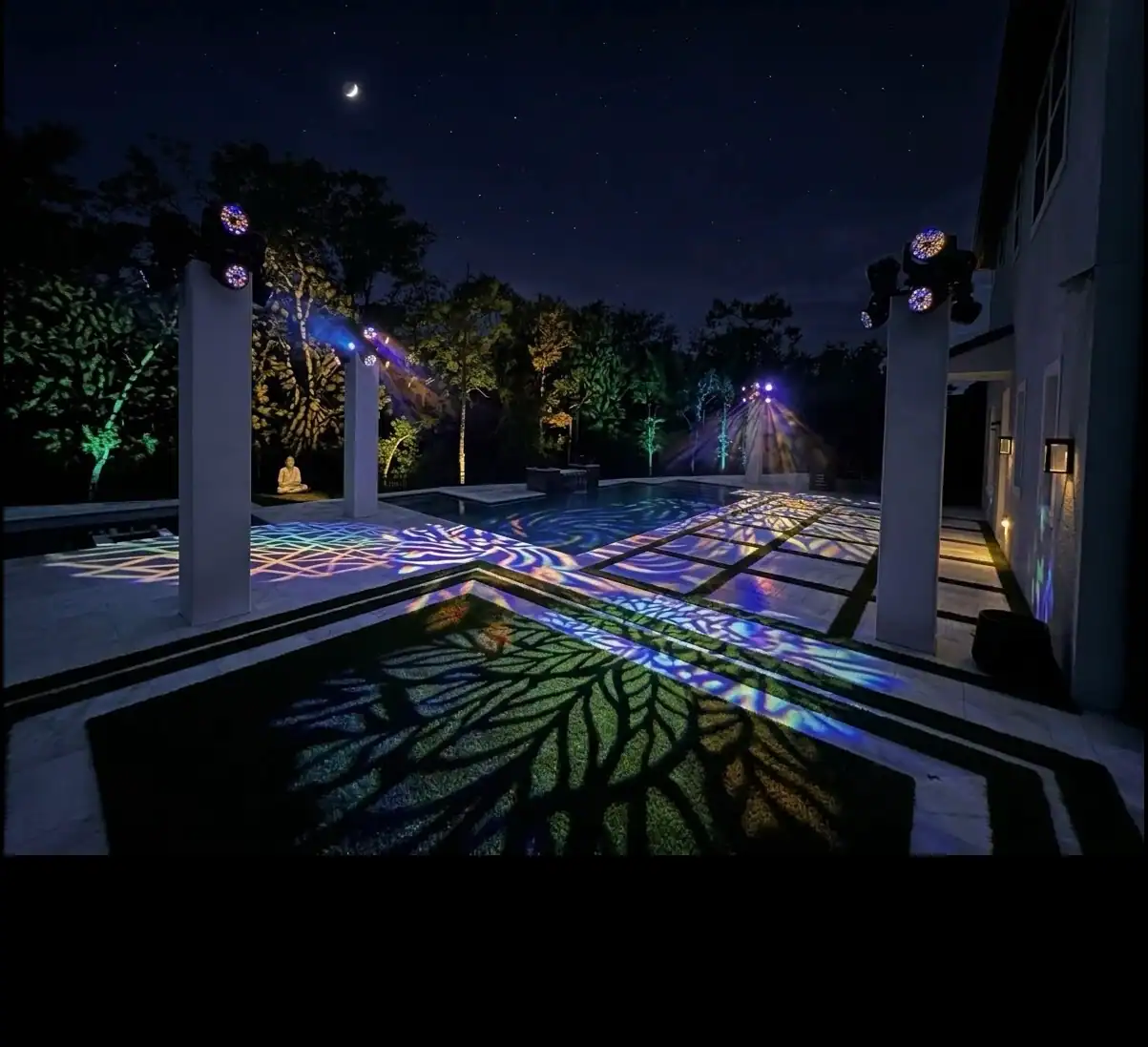
After reviewing the first direction, the client chose to explore a different combination of lighting elements.
TYLERLIGHT created another visualization using the same nighttime environment. Four truss towers wrapped in white truss socks were positioned around the pool deck with lighting fixtures placed above them.
Colorful textured lighting was then visualized across the deck, while the wooded background was illuminated with colored architectural and event uplighting.
This approach created a very different atmosphere without changing the actual architecture of the property. It also helped demonstrate how several separate lighting techniques can work together as one design.
Textured lighting and projection can add visual movement and pattern to floors, walls, ceilings, landscape areas, and other surfaces. Clients interested in projection-based effects can also explore TYLERLIGHT’s GOBO and projection lighting options.
Adding Airstar Lighting Without Losing the Atmosphere
The client liked the revised truss and textured-lighting concept, but there was another consideration: the event still needed additional functional illumination.
Functional light matters because guests need to navigate tables, pathways, pool areas, entrances, and gathering spaces safely. The challenge is providing enough usable illumination without destroying the atmosphere created by the decorative lighting.
TYLERLIGHT suggested incorporating Airstar fixtures. These large illuminated forms can provide soft functional light while also becoming visible design elements within the event.
The visualization process made it possible to experiment with fixture placement and apparent brightness before the event. The concept could be adjusted so the Airstar fixtures supported the overall lighting design instead of visually overpowering it.
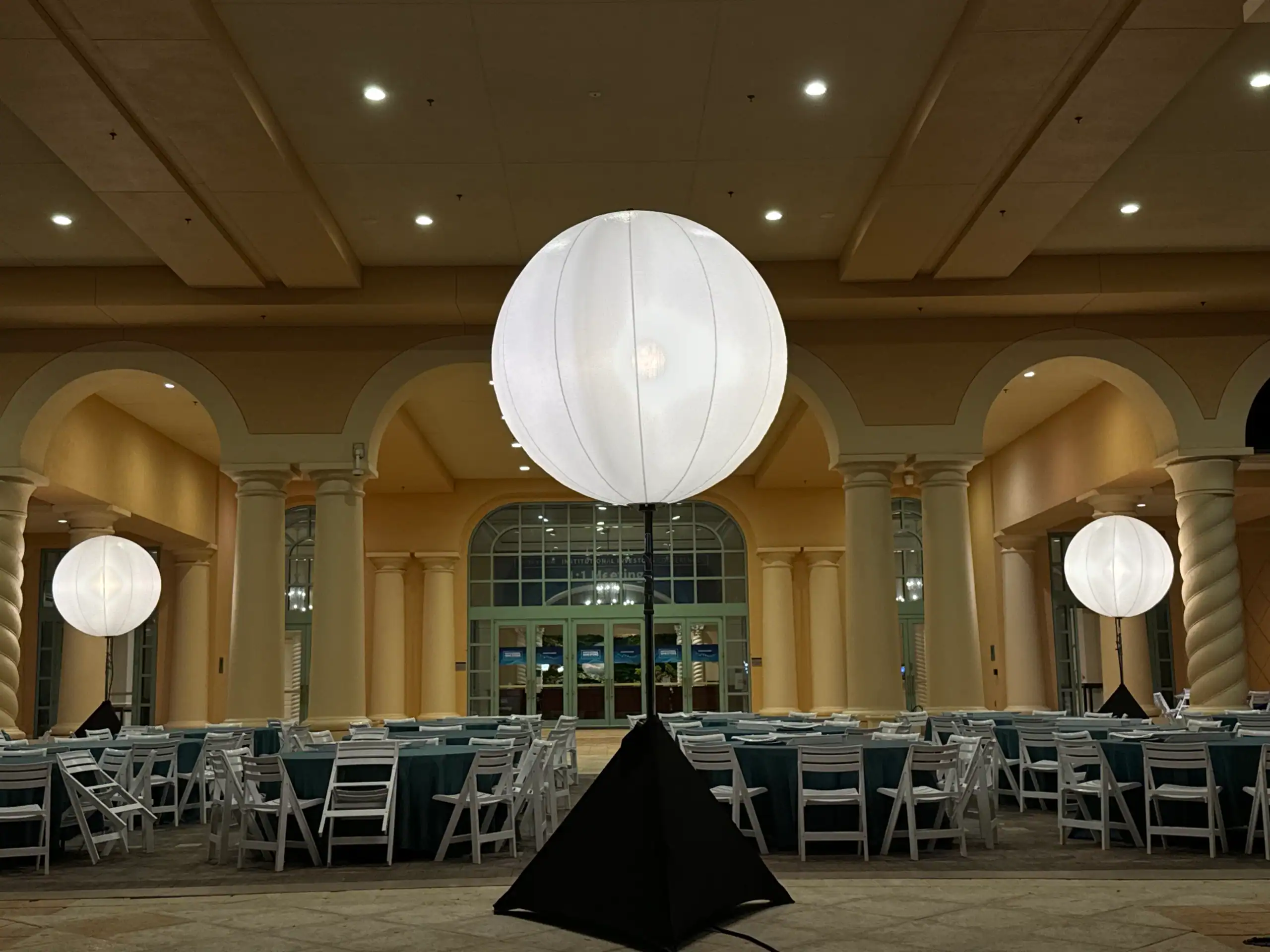
TYLERLIGHT offers several types of large illuminated decorative fixtures that can become part of a complete air-filled event lighting design. These can be especially useful for large rooms, outdoor areas, entrances, corporate environments, and events requiring both illumination and visual impact.
Seeing Multiple Lighting Elements Working Together
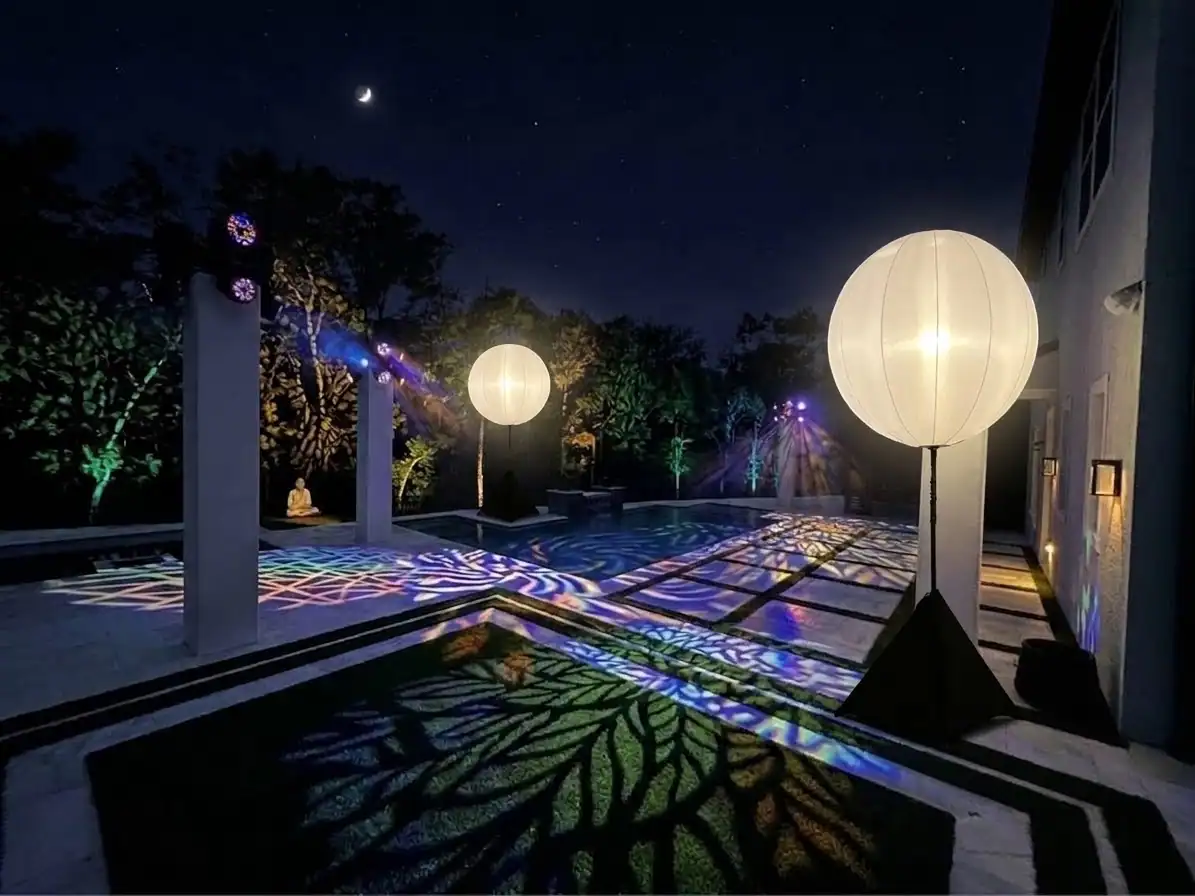
Once the Airstar concept was introduced, TYLERLIGHT could show the client how the functional fixtures might interact visually with the truss towers, projected textures, landscape lighting, pool area, and surrounding architecture.
This is where an AI-assisted visualization becomes more useful than a simple product photograph. A photograph can show what one fixture looks like. A concept image can help demonstrate how that fixture might relate to the client’s actual environment.
The design can then be refined through conversation. A fixture may be moved left or right. A truss tower may need to shift to make room for a dance floor. A lighting feature may need to become brighter, softer, larger, smaller, or less visually dominant.
Those revisions allow the client and lighting designer to discuss the same visual idea instead of relying entirely on verbal descriptions.
Viewing the Event Lighting Design From Another Angle
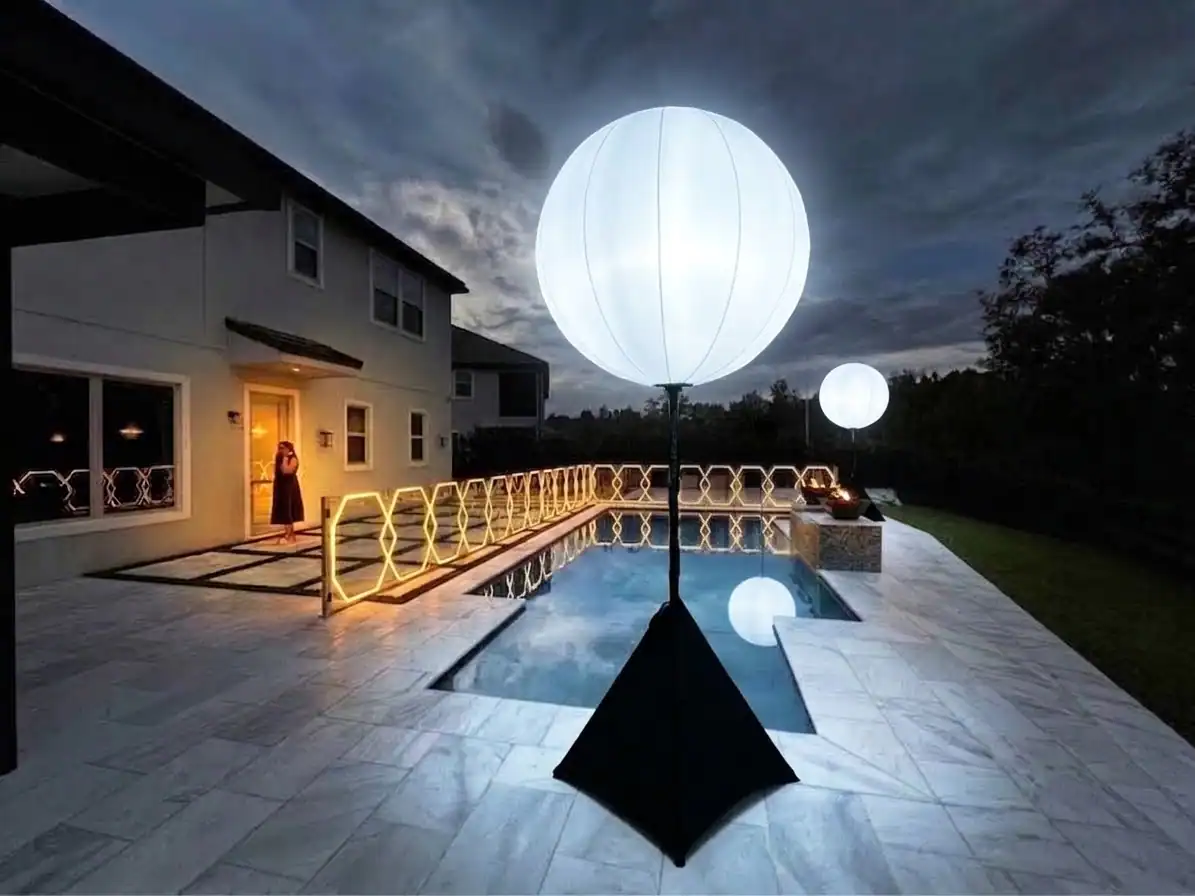
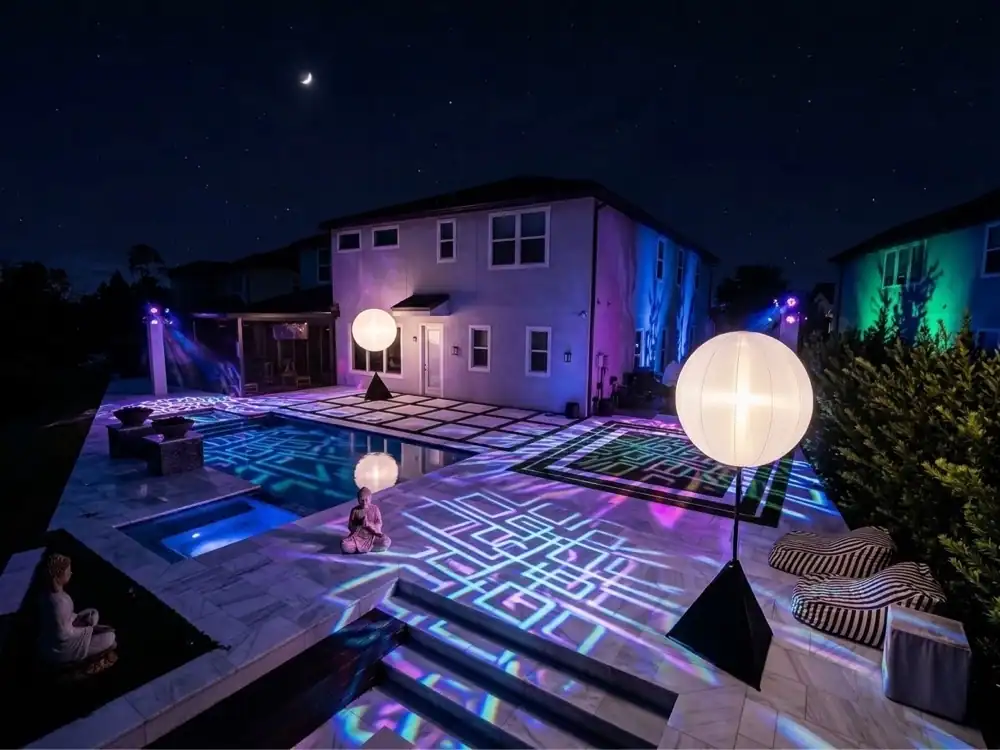
Tyler was also able to explore the design from another viewpoint. That matters because guests do not experience an event from one camera position.
A lighting concept needs to work from the entrance, seating areas, dance floor, pool deck, stage, and other guest perspectives. Seeing more than one conceptual angle can reveal spacing concerns or opportunities that may not be obvious in a single image.
In this example, fixture and truss positions could be reconsidered to preserve room for a dance floor and improve circulation through the property.
For larger productions, the same planning mindset can support corporate event lighting in Orlando , conference environments, galas, branded events, and other professional productions where layout and guest movement matter.
Why AI Lighting Renderings Can Improve the Planning Process
Visualize Before Installation
Clients can see a concept inside their own venue rather than trying to imagine the effect from product photos alone.
Compare Different Ideas
Multiple directions can be explored before equipment and crews are committed to an installation.
Communicate Changes Clearly
Clients can point to specific elements and explain what they like, dislike, or want moved.
Plan the Complete Atmosphere
Decorative lighting, functional light, architecture, landscape, fixture placement, and event layout can be considered together.
For weddings, AI-assisted visualization may also help couples see how different lighting approaches could work with décor, tables, architecture, and reception areas before finalizing the design. Couples can explore TYLERLIGHT’s Orlando wedding lighting services for additional ideas.
AI Does Not Replace a Professional Event Lighting Designer
AI can create an impressive visual representation, but producing an image and producing a successful live event are two very different things.
A professional lighting design still has to account for fixture output, throw distance, power distribution, mounting locations, weather exposure, rigging, sight lines, venue restrictions, guest safety, equipment availability, installation time, control systems, and many other real-world considerations.
That is where TYLERLIGHT’s event-production experience becomes essential. AI helps communicate and explore the idea. Professional lighting knowledge determines how that idea can be translated into an actual installation.
In other words, the value is not simply generating a beautiful picture. The value comes from combining modern visualization tools with experienced professional event lighting design.
TYLERLIGHT uses AI-assisted imagery to communicate possibilities. Final equipment, placement, intensity, color, scale, and overall appearance are determined through the actual event-lighting design and installation process.
Planning Your Orlando Event Lighting Design With TYLERLIGHT
Event lighting can transform an otherwise ordinary space into something intentional, immersive, elegant, dramatic, or completely unexpected.
The challenge has always been helping a client picture that transformation before the event takes place.
AI-assisted visualization gives TYLERLIGHT another tool for closing that gap. A venue photograph can become the starting point for a discussion about uplighting, chandeliers, Airstars, truss, projection, textured lighting, decorative fixtures, landscape illumination, and many other possibilities.
From there, TYLERLIGHT can develop a practical lighting plan around the venue, event goals, schedule, equipment, and production requirements.
You can also browse the TYLERLIGHT event lighting portfolio to see additional examples of professional lighting environments and completed event work.
Let Us Help You Visualize Your Event in a New Light.
Planning an event in Orlando or Central Florida? Send TYLERLIGHT information about your venue and lighting goals. We can discuss possible lighting directions and determine whether an AI-assisted concept visualization could help you explore the design before installation.