
Stage Lighting Orlando The Complete Planning Guide
Learn how professional stage lighting in Orlando supports conferences, concerts, awards programs, keynote presentations, corporate events, galas, live entertainment, and special productions with better visibility, stronger visual impact, and more controlled event environments.
Conferences
Keynotes, panels, presentations, and general-session stages.
Concerts
Performance lighting, movement, color, and audience energy.
Awards & Galas
Elegant stage washes, podium lighting, scenic accents, and reveals.
Live Production
Lighting coordinated with video, staging, audio, and production cues.
What Is Stage Lighting? Building the Visual Foundation of the Stage
Professional stage lighting in Orlando is more than making performers or presenters visible. It is the planned use of light, direction, intensity, color, and movement to control what the audience sees and how the stage feels.
From corporate conferences and awards programs to concerts and live entertainment, a successful lighting design combines multiple layers of light to create visibility, dimension, atmosphere, and visual focus.
The Stage Should Be Designed — Not Simply Illuminated
Basic lighting can make a stage visible. Professional stage lighting determines where attention goes, how people appear to the audience, how scenery and branding are perceived, and how the environment changes throughout an event.
A keynote presentation may require clean, natural illumination and excellent camera visibility. A concert can use stronger color, movement, beams, and contrast. An awards program may combine both: polished presenter lighting with dramatic transitions and scenic accents.
The goal is not to use the greatest number of fixtures. The goal is to put the right light in the right position for the experience being created.
Four Layers Create a Professional Stage Look
Front Light
Front lighting provides clear visibility for presenters, performers, speakers, and other people on stage. Smooth, controlled coverage helps prevent distracting dark areas and harsh hotspots.
Back & Top Light
Light from behind or above helps separate people from the background, adding depth and dimension so the stage does not appear visually flat.
Stage Wash
Wash lighting creates broad, consistent illumination across performance areas, scenic surfaces, backdrops, or architectural elements and establishes a visual foundation for the design.
Accent & Effect Lighting
Color, movement, beams, texture, and focused accents add energy and atmosphere while directing attention toward important moments on stage.
Stage Lighting Must Match What Is Happening on Stage
There is no single lighting setup that works equally well for every production. The event format, stage size, venue, audience, cameras, scenic design, and desired atmosphere all influence the final plan.
Keynotes
Clean facial illumination, controlled backgrounds, and strong visibility for both the audience and cameras.
Concerts
Color, movement, contrast, beams, backlighting, and programmed changes that respond to the performance.
Awards Programs
Presenter lighting combined with scenic accents, walk-up looks, transitions, reveals, and recognition moments.
Corporate Events
Lighting that supports presentations, scenic design, video, branding, speakers, and the overall production environment.
Start With the Purpose of the Stage
Before choosing fixtures, colors, or effects, define what the audience needs to see and how the stage needs to feel. The lighting equipment should follow the production goal—not determine it.
Stage Lighting Orlando Built Around the Event
Professional stage lighting in Orlando is used across corporate events, conferences, concerts, galas, awards programs, live entertainment, keynote presentations, and special productions.
Each format requires a different balance of visibility, atmosphere, color, movement, scenic emphasis, camera readiness, and audience focus. The best lighting plan begins with what is happening on the stage and how the audience needs to experience it.
One Lighting System Can Create Very Different Experiences
A keynote speaker needs clear facial visibility and controlled backgrounds. A concert may rely on saturated color, movement, beams, silhouettes, and dramatic transitions. An awards program often blends clean presenter lighting with scenic accents and programmed cues.
The equipment may be similar, but fixture position, color, intensity, programming, and timing should change with the event.
Stage lighting should support the purpose of the event first. Technology becomes valuable only when it improves visibility, atmosphere, timing, or audience attention.
Six Event Types That Depend on Professional Stage Lighting
Corporate Conferences
General sessions, panel discussions, keynote speakers, presentations, and branded stages require clean visibility, controlled backgrounds, and professional camera-ready lighting.
Concerts & Live Music
Performance lighting can use color, movement, beams, backlight, texture, and programmed transitions to amplify energy and support the rhythm of the show.
Awards Programs
Presenter lighting, podium visibility, walk-up cues, scenic accents, winner reveals, and recognition moments all benefit from carefully programmed lighting.
Galas & Fundraisers
Elegant stage washes, scenic lighting, branded backdrops, auction moments, entertainment, and speeches can be integrated into one polished visual environment.
Keynote Presentations
Keynote lighting should keep the speaker highly visible while maintaining clean backgrounds, readable presentation screens, and consistent camera exposure.
Live Entertainment
Performers, dance productions, specialty acts, and theatrical moments may require focused lighting, movement, color changes, scenic effects, and precise cue timing.
What Matters Most Changes With the Production
The same fixture can serve very different purposes depending on the event. Strong stage design starts by deciding which visual priorities matter most.
Visibility
Speakers and performers should remain clearly visible from primary audience areas and important camera positions.
Depth
Backlight, top light, scenic illumination, and contrast help keep people from visually disappearing into the stage background.
Energy
Concerts and entertainment may rely on movement, color changes, beams, texture, and cue timing to create momentum.
Branding
Corporate stages often need lighting that reinforces scenic elements, company colors, logos, sponsor graphics, and presentation environments.
Camera Readiness
Livestreams, recordings, IMAG screens, and event photography can influence color balance, intensity, shadows, and fixture placement.
Transitions
Programmed cues allow lighting to shift between presentations, awards, entertainment, walk-ons, videos, and other production moments without interrupting the flow.
Stage Lighting Orlando Design the Stage Around the Room
Successful stage lighting in Orlando starts with the room itself. Stage dimensions, ceiling height, rigging positions, presentation screens, scenic elements, camera locations, audience sightlines, and available power all influence where fixtures should be placed.
A strong lighting plan should support the production without blocking screens, distracting from scenic design, interfering with cameras, or creating unnecessary equipment inside important audience views.
Fixture Placement Shapes the Entire Stage
Lighting fixtures do not work independently from the venue. Their height, angle, distance, lensing, and position all affect coverage, brightness, shadows, scenic visibility, and how presenters appear to the audience.
Before selecting fixtures, the production team should understand the stage footprint, ceiling structure, presentation surfaces, scenic elements, and the locations where the audience and cameras will view the stage.
Design the lighting positions around the stage geometry first. Fixture selection becomes much easier once the throw distance, height, coverage area, and viewing angles are known.
Six Details That Determine Fixture Placement
Stage Dimensions
Stage width, depth, height, and performance area determine how much coverage is required and where fixtures need to overlap.
Ceiling Height
Ceiling height influences fixture angle, available rigging positions, beam spread, and whether lighting can be mounted above the stage or must be positioned from the floor.
Rigging Positions
Existing truss, ceiling points, beams, lighting grids, and approved rigging locations determine where overhead fixtures can safely be installed.
Presentation Screens
Fixture angles should protect LED walls, projection screens, and scenic video surfaces from unnecessary spill and glare.
Audience Sightlines
Lighting stands, truss towers, cables, and floor fixtures should avoid blocking important views from primary seating areas.
Camera Positions
Livestream, IMAG, recording, and photography locations should be considered so lighting supports consistent facial visibility and clean backgrounds.
Where Stage Fixtures Are Commonly Positioned
Different positions create different visual results. Most professional stages combine several positions instead of relying on one lighting direction.
Front of House
Fixtures positioned in front of the stage provide primary facial illumination for speakers, presenters, and performers.
Overhead Truss
Overhead positions support stage washes, top light, scenic lighting, moving fixtures, and controlled performance coverage.
Upstage / Backlight
Fixtures behind the stage add depth, separation, silhouettes, beams, color, and visual contrast between people and scenic elements.
Side Lighting
Side positions can add dimension to performers, dancers, scenic elements, and stage architecture while reducing flat front-only lighting.
Floor Fixtures
Floor-mounted fixtures can illuminate scenery, drape, scenic walls, columns, podiums, or create dramatic upward beams and textures.
Scenic Integration
Fixtures may be integrated into scenic structures when the design, access, cooling, safety, and maintenance requirements allow it.
Lighting, Video & Cameras Need to Be Planned Together
Modern event stages frequently combine lighting with LED walls, projection, livestream cameras, IMAG screens, scenic branding, and recorded content. These systems should be coordinated before the final lighting positions are approved.
Lighting that looks strong to the live audience can still create problems for cameras or screens if fixture angles, brightness, color balance, and background levels are not considered together.
Protect the Screens
Reduce unnecessary light spill across projection surfaces and LED walls so content remains readable and visually clean.
Light Faces Consistently
Presenters should remain evenly illuminated as they move between podiums, panels, interview areas, and presentation positions.
Balance Background Levels
Scenic elements should have enough light to create depth without overpowering faces or competing with video content.
Plan for Camera Angles
Fixture glare, direct beams, shadows, and distracting hardware should be evaluated from important camera and photography positions.
Confirm These Details Before Finalizing the Lighting Plot
- Stage width, depth, and height
- Ceiling height and rigging locations
- Presentation screen dimensions
- LED wall or projection locations
- Podium, panel, and keynote positions
- Scenic and branding elements
- Primary audience sightlines
- Camera and photographer locations
- Available electrical power
- Load-in and installation schedule
- Venue access and rigging restrictions
- Other production equipment locations
Stage Lighting Fixtures What Each Type Does
Professional stage lighting in Orlando normally uses several fixture types together rather than relying on one light to do everything. Each fixture is selected for a specific job such as facial illumination, broad stage coverage, color, movement, texture, scenic emphasis, or dramatic effects.
Understanding the basic fixture categories makes it easier for event planners and production clients to understand why a lighting design may include different equipment for speakers, performers, scenery, audiences, cameras, and special moments.
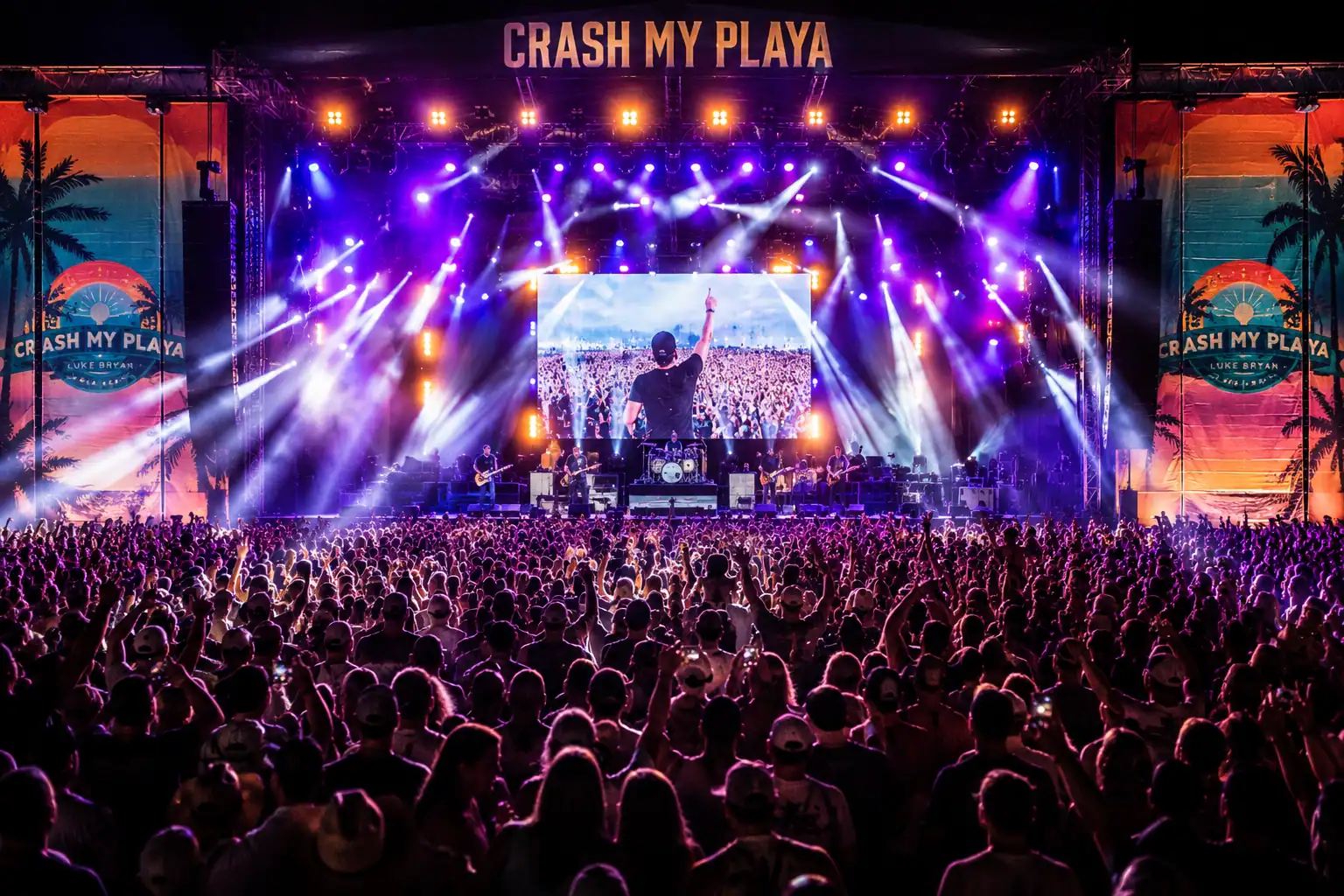
Different Fixtures Create Different Visual Results
A fixture that creates smooth, natural presenter lighting is not necessarily the best fixture for sweeping beams across a concert stage. Likewise, a moving light designed for dynamic effects may not replace the controlled front lighting needed for keynote speakers or awards presenters.
Professional stage designs combine fixture types so each one performs the job it handles best.
Choose fixtures based on purpose, position, throw distance, coverage, color requirements, camera needs, and the visual style of the event — not simply on how impressive the equipment looks.
Six Building Blocks of Professional Stage Lighting
Profile / Ellipsoidal Fixtures
Controlled fixtures commonly used for presenters, podiums, performers, scenic areas, and locations where precise beam shape and spill control are important.
Fresnel Fixtures
Fresnels create softer-edged illumination that can work well for stage washes, facial lighting, performance areas, and situations where smooth blending is important.
PAR & LED Wash Fixtures
Broad wash fixtures can cover stage areas, scenic surfaces, drape, architecture, and backgrounds with consistent illumination and flexible color.
Moving Head Fixtures
Moving fixtures can reposition beams, change color, add texture, create movement, and support programmed transitions throughout a concert, awards program, or live production.
Beam Fixtures
Narrow, high-impact beams create strong aerial effects and visual movement, especially when atmospheric effects make the light path visible above the stage or audience.
LED Stage Fixtures
Modern LED fixtures provide flexible color, efficient operation, dimming, programmable control, and a wide range of applications across corporate and entertainment productions.
Different Events Need Different Fixture Priorities
The fixture mix should follow the event format. Corporate presentations emphasize visibility and camera readiness, while entertainment productions may place greater emphasis on movement, color, texture, and audience energy.
Keynotes & Conferences
Prioritize controlled front light, smooth facial coverage, clean backgrounds, and consistent illumination for cameras and screens.
Visibility FirstConcerts
Combine moving lights, beams, washes, backlight, color, texture, scenic illumination, and programmed effects to support the performance.
Energy & MovementAwards Programs
Balance clean presenter lighting with scenic color, winner reveals, walk-up looks, entertainment segments, and programmed transitions.
Polish & CuesGalas
Use elegant stage washes, scenic lighting, architectural accents, presentation lighting, and entertainment looks that can evolve through the evening.
Atmosphere & EleganceLive Entertainment
Dance, specialty acts, theatrical moments, and performers may need strong side light, backlight, moving fixtures, color changes, and precisely timed cues.
Performance FocusBranded Corporate Stages
Fixtures should illuminate presenters while reinforcing scenic branding, company colors, logos, presentation areas, and the overall visual identity of the event.
Brand IntegrationFour Characteristics Change the Final Result
Beam Angle
Narrow beams create concentrated effects while wider beams provide broader stage coverage. Throw distance and fixture position influence which angle works best.
Output
Fixture brightness must match venue size, throw distance, scenic conditions, camera requirements, and competing ambient light.
Color
Color can reinforce branding, create atmosphere, separate visual layers, support entertainment, and help transition the room between different production moments.
Control
Professional lighting control allows fixtures to change intensity, color, position, effects, and timing as the production moves through presentations, performances, and transitions.
Stage Lighting Orlando Color, Movement & Cue Programming
Professional stage lighting in Orlando becomes much more powerful when the lighting can change with the production. Color, intensity, movement, beam position, scenic looks, and timed cues allow the stage to evolve throughout a conference, concert, awards program, gala, or live entertainment event.
The goal is not constant visual activity. Strong programming uses change intentionally so important moments feel different from one another without distracting from speakers, performers, screens, or the audience experience.
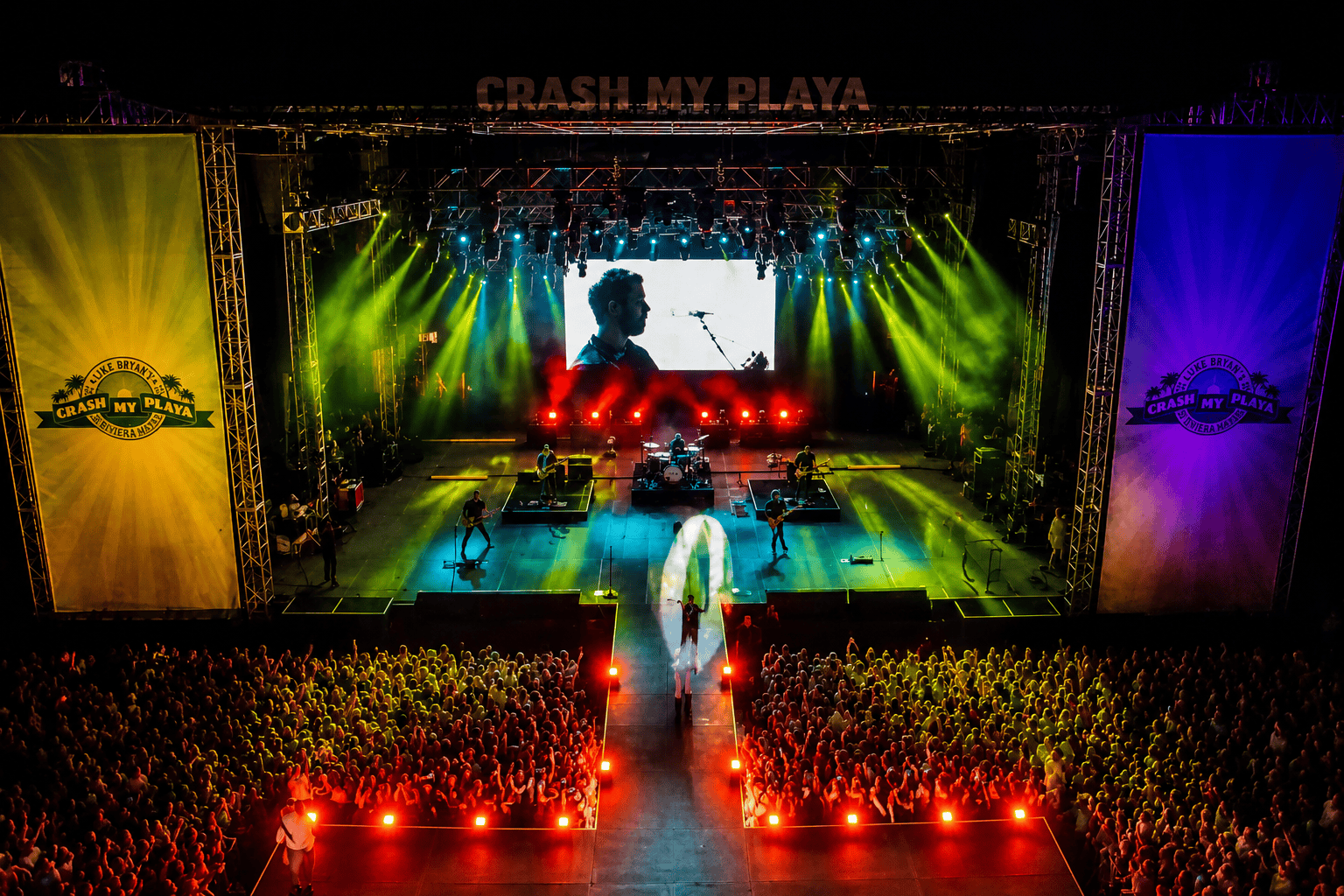
Lighting Should Change When the Event Changes
A room may need one look while guests enter, another for a keynote, another for an awards presentation, and something completely different for live entertainment.
Cue programming allows those transitions to happen intentionally. Rather than manually adjusting individual fixtures throughout the show, programmed looks can coordinate multiple lights at once.
Every lighting change should have a reason. A cue should support a speaker entrance, video transition, musical moment, award reveal, scenic change, or another clear production purpose.
Four Elements That Change the Look of the Stage
Color
Color can reinforce branding, establish mood, distinguish event segments, create scenic depth, and support entertainment without changing the physical stage.
Intensity
Brightness changes help shift visual emphasis between presenters, performers, scenery, screens, and the audience while supporting transitions between different production moments.
Movement
Moving fixtures can redirect beams, sweep across scenic elements, follow programmed positions, or add energy during entertainment when movement supports the event.
Texture & Beam Shape
Patterns, focused beams, aerial effects, and controlled shapes can add visual texture to stages, backdrops, scenic surfaces, and the atmosphere above the audience.
Common Lighting Cues Throughout an Event
A professionally programmed show often contains multiple lighting states that are recalled as the event moves from one segment to the next.
Guest Arrival
Scenic color, architectural accents, branded stage looks, and lower intensity can establish atmosphere before the formal program begins.
Speaker Walk-On
Lighting can transition toward the stage, brighten presenter areas, and create a clear visual change as the audience shifts attention.
Presentation Mode
Clean presenter lighting and controlled scenic levels help maintain visibility while protecting LED walls, projection, and camera images.
Award Reveal
A programmed change in color, movement, brightness, or scenic emphasis can make winner announcements and walk-up moments feel more significant.
Entertainment
Concerts, bands, DJs, dancers, and specialty performers can use more dynamic color, movement, beams, texture, and tightly timed effects.
Closing Look
The stage can transition into a final branded, celebratory, or atmospheric look as the formal program ends and guests move into the next portion of the event.
Corporate and Entertainment Lighting Use Movement Differently
Controlled & Purposeful
Conferences, keynotes, panels, product launches, and awards programs normally use movement more selectively so lighting supports the message without pulling attention away from speakers or content.
- Clean presenter lighting
- Brand-color transitions
- Scenic emphasis
- Programmed walk-on looks
- Camera-friendly intensity
Dynamic & Performance Driven
Concerts and live entertainment can make greater use of movement, beams, color shifts, effects, silhouettes, texture, and rapid cue changes when they support the pace of the performance.
- Moving beams
- Color chases
- Backlight & silhouettes
- Aerial effects
- Music-driven cue changes
Good Lighting Cues Begin Before Show Time
The lighting programmer needs to understand the event schedule, stage positions, presentation order, entertainment segments, video playback, walk-on music, awards, scenic transitions, and important production moments.
The more clearly the show flow is defined in advance, the easier it is to prepare lighting looks that feel polished and intentional.
Run of Show
The production schedule identifies when speakers, videos, awards, performances, and transitions occur.
Stage Positions
Podiums, panel chairs, musical positions, interview areas, and presentation zones should be identified before programming.
Brand & Scenic Colors
Approved colors can help keep stage lighting consistent with the scenic design, company identity, event theme, or entertainment style.
Rehearsal
Rehearsal gives the production team an opportunity to review visibility, cue timing, screen interaction, camera exposure, and transitions before guests arrive.
Stage Lighting Orlando Visibility, Depth & Lighting Angles
Professional stage lighting in Orlando is not simply about making a stage brighter. Where the light originates can be just as important as its intensity, color, or fixture type.
Front, side, back, and overhead lighting perform different jobs. Used together, these lighting angles help presenters and performers remain visible while creating depth, separation, dimension, and a more polished stage environment.
A Bright Stage Can Still Look Flat
Lighting everything from approximately the same direction may provide visibility, but it can remove much of the visual depth that makes a professional stage look dimensional.
Lighting designers build the stage in layers. Front light establishes visibility. Side light reveals shape. Backlight separates people from scenery. Overhead and scenic lighting help define the environment surrounding them.
The objective is not maximum brightness. The objective is placing the right amount of light in the right direction for the people, scenery, cameras, screens, and production taking place.
Each Angle Has A Different Job
Front Light
Front lighting provides essential visibility for speakers, presenters, musicians, and performers. It is especially important when faces must remain clear for the live audience, photography, IMAG, recording, or livestreaming.
Side Light
Side lighting introduces shape and contrast. It can reveal body movement, define edges, add dimension, and keep the stage from appearing uniformly illuminated from the audience’s viewpoint.
Backlight
Backlight creates separation between people and the background. This can help presenters and performers stand apart visually from drape, scenic elements, LED walls, and darker stage environments.
Top & Overhead Light
Overhead fixtures can establish stage zones, provide color, illuminate scenery, and contribute another layer of depth. Their role depends heavily on the venue, rigging positions, stage dimensions, and production design.
Visibility and Atmosphere Must Work Together
Dramatic stage lighting loses its value if the audience cannot clearly see the people they came to watch. At the same time, completely flat illumination can remove the visual character of the production.
See the Face
Keynotes, panels, awards, ceremonies, and spoken presentations normally require reliable facial illumination from appropriate front-lighting positions.
Separate the Subject
Back and side lighting help prevent speakers and performers from visually disappearing into dark drape, scenery, or backgrounds.
Preserve the Screen
Fixture angles and focus should be planned so unnecessary light does not wash across projection surfaces, LED displays, scenic graphics, or other visual content.
Create Dimension
Multiple lighting directions allow the production to create shape, contrast, depth, and visual separation rather than relying on one flat layer of illumination.
Large Stages Are Often Designed in Zones
A presenter may walk from a podium to center stage. A panel may occupy a completely different area. A band or entertainment act may use the full width and depth of the performance space.
Instead of treating the entire platform as one lighting target, professional stage designs can divide the performance area into separate zones. Each zone can then receive the coverage necessary for the people and activity expected there.
The Stage Must Look Good Beyond the Room
IMAG Screens
When live camera images appear on venue screens, presenter lighting must support both the person seen onstage and the image being captured by the camera.
Photography
Balanced facial lighting and controlled contrast help photographers capture speakers, performers, award recipients, and branded stage moments more consistently.
Video Recording
Recorded content benefits from consistent exposure and thoughtful lighting direction so subjects remain clear as they move through designated stage positions.
Livestreaming
Hybrid and streamed productions require lighting decisions that consider the remote viewer as well as guests experiencing the event inside the venue.
Stage Lighting Orlando For Cameras, Video & Livestreams
Modern stage lighting in Orlando often has to work for two audiences at once: the guests inside the venue and the people watching through cameras, IMAG screens, recordings, or livestreams.
Lighting that appears acceptable to the eye can still create harsh shadows, uneven exposure, color problems, glare, or distracting backgrounds on camera. That is why lighting and video planning should be coordinated before the event begins.
The Camera Sees More Than the Audience Does
A live audience naturally adapts to changes in brightness and contrast. Cameras are less forgiving. Strong hotspots, deep shadows, direct fixture glare, uneven facial coverage, and overly bright backgrounds can become much more noticeable on screens and recordings.
A camera-ready stage balances the subject, background, scenic elements, and video displays so the entire frame works together.
If an event will be livestreamed, recorded, or shown on IMAG screens, camera positions and lighting levels should be reviewed during rehearsal—not discovered after the program begins.
Six Factors That Affect How the Stage Looks on Video
Facial Exposure
Presenters should remain consistently illuminated so cameras can capture natural-looking faces without extreme bright or dark areas.
Color Balance
Lighting color should complement camera settings, scenic design, skin tones, brand colors, and the overall visual environment.
Background Brightness
Scenic elements and LED walls should support the subject rather than becoming so bright that faces appear dark or visually weak.
Fixture Glare
Direct beams or visible fixtures can create distracting flare, blown highlights, or visual clutter from important camera angles.
Movement Coverage
Speakers and performers should remain within usable lighting as they move between podiums, panels, interview areas, or stage zones.
Scenic Contrast
Proper contrast helps separate people from drape, scenic walls, projection surfaces, and darker backgrounds without making the stage appear flat.
Different Video Uses Create Different Priorities
IMAG, livestreaming, recording, and photography may all be happening during the same event, but each can place different demands on lighting coverage and consistency.
IMAG Screens
Live image magnification helps large audiences see presenters and performers clearly. Stage lighting should support clean facial exposure and consistent coverage across important positions.
Large-Room VisibilityLivestreams
Remote viewers experience the event almost entirely through the camera frame, making lighting consistency, background control, and subject separation especially important.
Remote Audience ExperienceRecorded Content
Conferences, keynotes, interviews, panels, and branded presentations may be reused after the event, increasing the importance of clean, polished, repeatable stage lighting.
Long-Term Content ValuePhotography
Strong lighting direction and balanced exposure help photographers capture speakers, performers, award recipients, scenic details, and branded stage moments more consistently.
Event DocumentationStage Lighting and Video Screens Must Share the Same Visual Space
LED walls and projection surfaces can be visually dominant. If their brightness is not balanced with the stage lighting, presenters may appear underexposed or the screen content may become uncomfortable to view.
Fixture focus also matters. Light spilling directly onto projection surfaces can reduce contrast, while poorly positioned beams can compete visually with graphics, video playback, or branded content.
Control Spill
Focus fixtures carefully so unnecessary light does not wash across projection screens, scenic graphics, or other visual surfaces.
Balance Brightness
Stage lighting and display brightness should be evaluated together so people remain visually strong without overpowering the content.
Protect Camera Angles
Bright fixtures, direct beams, and reflective scenic surfaces should be checked from primary camera positions.
Coordinate Color
Scenic lighting, screen graphics, brand colors, and presenter lighting should feel intentional within the same camera frame.
Review These Details Before the Audience Arrives
- Presenter facial exposure
- Podium and keynote positions
- Panel seating coverage
- Speaker movement between zones
- LED wall or projection brightness
- Scenic background levels
- Primary camera angles
- Fixture glare into lenses
- Color consistency
- Livestream image quality
- IMAG screen appearance
- Photography sightlines
Stage Lighting Orlando Rigging, Power & Production Safety
Professional stage lighting in Orlando depends on more than creative design. Fixtures, truss, power distribution, cables, support points, access routes, and installation procedures all have to work safely within the venue.
Production planning should identify these requirements before load-in so the lighting design can be installed without creating conflicts with guests, performers, venue operations, cameras, scenic systems, or other technical departments.
A Great Lighting Design Must Also Be a Safe Installation
Stage lighting systems may place substantial equipment above presenters, performers, crews, and audiences. Rigging positions, fixture weights, support structures, cable routing, electrical loads, and access requirements therefore need to be considered as part of the original design.
Venue policies may also limit where truss can be suspended, where floor equipment can be positioned, which electrical connections are available, and when installation work may take place.
Rigging and electrical work should be handled by qualified personnel using equipment and procedures appropriate for the venue, installation, and applicable requirements.
Six Areas to Confirm Before Installation Begins
Rigging Points
Approved structural points, truss locations, load capacities, hanging positions, and venue rigging procedures should be identified before overhead equipment is installed.
Fixture Loads
Fixtures, cabling, accessories, truss, motors, and other suspended equipment contribute to the overall load placed on the support system.
Electrical Power
Power availability, circuit capacity, distribution, grounding, connection points, and equipment requirements should be reviewed before the lighting package is finalized.
Cable Routing
Power and control cables should be routed so they do not create avoidable trip hazards, obstruct guest traffic, interfere with performers, or block production access.
Equipment Access
Lifts, ladders, catwalks, backstage areas, loading docks, and installation routes may affect where equipment can realistically be positioned and serviced.
Venue Requirements
Hotels, convention centers, theaters, arenas, resorts, and event venues may have specific rules for rigging, electrical work, labor, fire safety, access, and load-in procedures.
Rigging Determines What Can Safely Go Above the Stage
Overhead truss and lighting positions can create cleaner sightlines and greater design flexibility, but those benefits depend on suitable support points, structural capacity, access, equipment, and approved installation methods.
Venue Rigging Points
Existing rated support points may determine where truss and suspended lighting can be positioned within the room.
Ground-Supported Truss
When overhead suspension is unavailable or inappropriate, engineered ground-supported structures may provide another production option.
Clearance
Suspended equipment should account for ceiling height, stage scenery, screens, drape, performers, audience areas, and other technical systems.
Inspection & Access
Equipment should remain accessible for installation, inspection, adjustment, troubleshooting, and removal throughout the production.
Know the Available Power Before Designing the System
Large lighting systems can require significant electrical capacity. The production team should understand available service, distribution locations, circuit limitations, connection requirements, and how power must be shared with video, audio, staging, and other departments.
Temporary event electrical systems also require careful planning for distribution and cable protection. OSHA guidance addresses temporary power and lighting installations and requires appropriate distribution, conductor protection, and grounding practices.
Service Capacity
Confirm how much electrical capacity is actually available to the production before determining final equipment quantities.
Distribution
Power should be distributed through appropriate equipment and connection points rather than relying on improvised venue circuits.
Shared Production Loads
Lighting, audio, video, scenic systems, catering, and venue equipment can all place demands on available electrical infrastructure.
Cable Protection
Cable paths should be planned around guest traffic, backstage movement, equipment access, doorways, aisles, and production work areas.
Confirm These Details Before Load-In Day
- Approved rigging locations
- Ceiling height and room dimensions
- Stage size and scenic footprint
- Electrical service locations
- Available production power
- Loading dock and equipment access
- Lift and ladder restrictions
- Venue labor requirements
- Guest traffic and egress paths
- Camera and video positions
- Installation and strike schedule
- Venue approval requirements
Stage Lighting Orlando Cost What Affects the Final Investment?
The cost of professional stage lighting in Orlando depends on the scale and complexity of the production. A single keynote stage requires a very different lighting package than a concert, awards program, large gala, or multi-day conference.
Stage dimensions, fixture quantities, rigging, electrical requirements, programming, installation time, crew, venue rules, rehearsal, and show operation can all influence the final production quote.
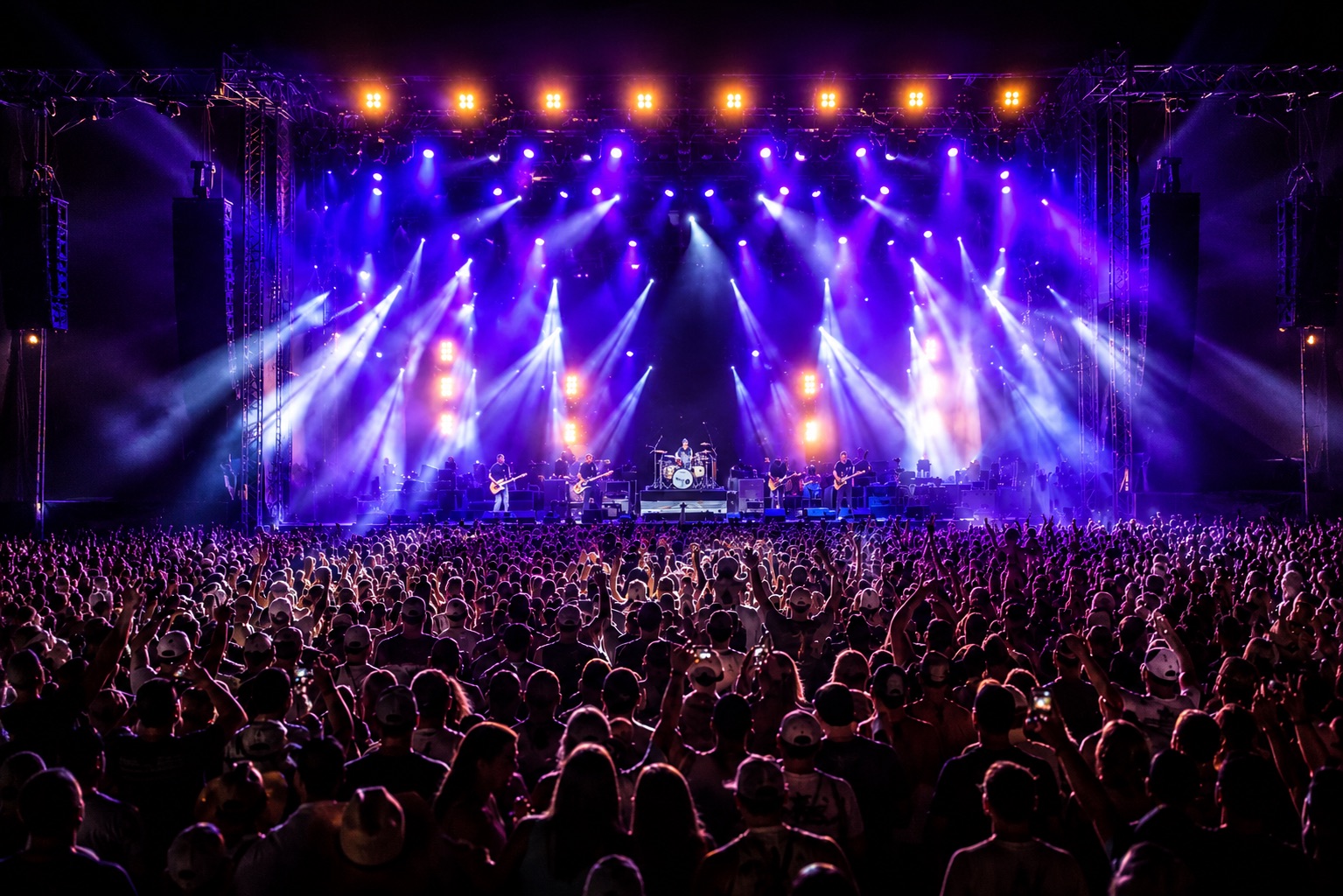
Stage Lighting Is Built Around the Production
Two events in the same ballroom can require completely different lighting packages. A conference with keynote speakers may emphasize even facial lighting and camera coverage, while an evening concert may require moving fixtures, beams, color, atmospheric effects, and extensive programming.
The most useful way to establish a realistic budget is to define the venue, stage size, audience, event format, production schedule, and visual goals before determining the equipment package.
Start with what the audience needs to experience rather than a fixture list. Production equipment can then be selected to meet that goal within the practical requirements of the venue and event.
Eight Factors That Can Change a Stage Lighting Quote
Stage-lighting estimates are normally built around the actual production requirements rather than a single flat equipment price.
Stage Size
Wider and deeper stages generally require additional coverage zones, fixtures, positions, cabling, and programming to maintain consistent lighting.
Fixture Package
Quantity and fixture type can vary substantially between simple presenter lighting and productions using moving lights, beams, scenic washes, effects, and specialty fixtures.
Rigging Requirements
Truss, motors, venue rigging, lifts, ground-supported structures, approved hanging points, and installation requirements can affect labor and equipment needs.
Power Distribution
Larger systems may require dedicated production power, distribution equipment, longer cable runs, and coordination with venue electrical infrastructure.
Programming
A static conference look requires less programming than a concert, awards program, or production containing numerous timed lighting cues and transitions.
Production Crew
Installation technicians, programmers, console operators, electricians, riggers, and show crew may be required depending on the scale and technical demands of the event.
Schedule & Rehearsal
Load-in time, programming sessions, rehearsals, event duration, multi-day schedules, overnight work, and strike requirements can influence labor needs.
Venue Requirements
Venue labor rules, access schedules, rigging policies, power limitations, loading procedures, and approved equipment locations can affect production logistics.
Stage Lighting Packages Can Vary Dramatically
These examples are not fixed packages or prices. They illustrate why different types of events can require very different levels of equipment, programming, labor, and coordination.
Keynote & Conference Stage
Primarily focused on presenter visibility, podium coverage, panel areas, scenic illumination, screens, and camera-ready stage lighting.
- Presenter front lighting
- Stage wash coverage
- Scenic or brand color
- Podium and panel positions
- Camera-conscious lighting
Gala & Awards Production
Combines presenter lighting with scenic looks, walk-ons, award moments, entertainment, transitions, and changing event environments.
- Presenter lighting
- Programmed stage looks
- Scenic color
- Award and walk-on cues
- Entertainment lighting
Concert & Live Production
Larger entertainment systems may require moving fixtures, beams, effects, extensive programming, multiple lighting positions, and show operation.
- Moving lighting fixtures
- Beam and effect lighting
- Performance washes
- Programming and cueing
- Dedicated show operation
Prioritize the Elements the Audience Will Notice
When a production budget has limits, the lighting plan can be built around the most important visual and functional requirements first.
Visibility First
Protect the lighting needed for speakers, performers, cameras, presentations, and primary stage activity before adding optional visual effects.
Then Build Depth
Backlight, scenic illumination, architectural accents, and stage color can make a basic lighting system feel significantly more polished.
Add Movement With Purpose
Moving fixtures and effects create the most value when the event contains entertainment, dramatic transitions, reveals, or other moments that benefit from visual energy.
Protect Production Time
Enough time for installation, focusing, programming, testing, and rehearsal can be as important to the final result as the equipment itself.
Gather These Details About Your Event
- Event date
- Orlando venue and room
- Event type
- Approximate audience size
- Stage dimensions
- Event start and end times
- Keynote or presenter needs
- Live entertainment requirements
- LED wall or projection plans
- Livestream or camera requirements
- Load-in and rehearsal schedule
- Desired visual style
Stage Lighting Orlando Frequently Asked Questions
Professional stage lighting involves much more than choosing fixtures. Venue conditions, stage dimensions, rigging, power, programming, audience sightlines, cameras, performers, and the production schedule can all affect the final design.
These frequently asked questions cover practical considerations when planning stage lighting in Orlando for conferences, concerts, galas, awards programs, corporate events, and live entertainment.
What is stage lighting? +
Stage lighting is the planned use of professional lighting fixtures, positions, color, intensity, angles, programming, and control to illuminate presenters, performers, scenic elements, branded environments, and other activity occurring on or around a stage.
What types of events use professional stage lighting? +
Professional stage lighting is commonly used for conferences, keynote presentations, corporate meetings, concerts, galas, awards programs, product launches, live entertainment, festivals, branded events, and other productions where visibility and visual presentation are important.
For business-focused productions, see the Corporate Event Lighting Planning Guide .
How early should stage lighting be planned for an Orlando event? +
Planning should begin as soon as the venue, event format, stage requirements, and production schedule are reasonably established. Larger productions generally benefit from earlier planning because rigging, electrical requirements, fixture positions, programming, rehearsals, and venue coordination may need to be resolved before load-in.
How many stage lighting fixtures does an event need? +
There is no universal fixture count. The appropriate system depends on stage dimensions, throw distance, fixture output, presenter or performer positions, scenic elements, cameras, desired effects, available rigging positions, and the overall visual goals of the production.
A smaller, well-designed system can often perform better than a larger collection of fixtures placed without a clear lighting plan.
What is the difference between stage lighting and event lighting? +
Stage lighting primarily focuses on activity occurring on the stage or performance area. Event lighting can include the larger environment — entrances, dining areas, architecture, décor, branding, dance floors, guest spaces, and other parts of the venue.
Many productions use both systems together so the stage and surrounding event environment feel visually connected.
Can stage lighting be designed for cameras and livestreaming? +
Yes. Productions being photographed, recorded, or livestreamed should consider camera exposure, facial illumination, color balance, LED displays, scenic brightness, fixture angles, and the difference between what looks appropriate to the live audience and what the camera sees.
Does professional stage lighting require rigging? +
Not always. Fixtures may be positioned on approved venue structures, lighting stands, ground-supported truss, floor positions, or overhead rigging depending on the production and venue.
When overhead equipment or rigging is involved, the applicable venue rules, equipment requirements, qualified personnel, and safety procedures must be considered. The Occupational Safety and Health Administration entertainment safety resources provide additional information about workplace hazards and safety considerations in the entertainment industry.
Can stage lighting include company colors and branding? +
Yes. Color palettes can support corporate branding, scenic elements, presentation environments, entrances, awards programs, product reveals, and other branded production moments.
Custom logos and artwork can also be incorporated through projection. See the GOBO Projection Guide for more information about logo, monogram, and artwork projection.
Can stage lighting change throughout an event? +
Yes. Professional lighting control allows intensity, color, fixture position, movement, effects, and other lighting parameters to change throughout the program. Different looks can be programmed for guest arrival, presentations, awards, performances, transitions, and closing moments.
What information is needed for a stage lighting quote? +
Useful starting information includes the event date, Orlando venue, room name, stage dimensions, audience size, event type, schedule, presenter requirements, entertainment plans, LED wall or projection needs, camera requirements, load-in schedule, rehearsal times, and the desired visual style.
Does TYLERLIGHT provide stage lighting for corporate events? +
TYLERLIGHT provides professional lighting solutions for corporate events and productions in Orlando. Stage lighting can be coordinated with scenic illumination, branded environments, GOBO projection, room lighting, and other event lighting elements when required by the production.
Explore Corporate Event Lighting Orlando for additional service information.
Stage Lighting Orlando Plan Your Production With Confidence
Professional stage lighting in Orlando brings visibility, atmosphere, depth, branding, movement, scenic design, video, and live production together around the needs of the event.
Whether the production is a conference, keynote, gala, awards program, concert, product launch, or live entertainment event, successful lighting begins with the venue and production goals — then builds the equipment, placement, programming, crew, and technical plan around them.
Six Things to Remember Before Planning Stage Lighting
These are the core principles that connect the technical and creative decisions covered throughout this guide.
Start With the Event
Determine what is happening on stage, what the audience needs to see, and how the production should feel before choosing equipment.
Design Around the Venue
Stage dimensions, ceiling height, rigging locations, throw distances, power, screens, sightlines, and access affect the lighting plan.
Protect Visibility
Speakers and performers should remain clearly visible before color, movement, beams, texture, and other effects are added.
Plan for Cameras
IMAG, livestreaming, photography, and recording can influence facial lighting, contrast, fixture angles, scenic brightness, and screen levels.
Program With Purpose
Lighting changes should support presentations, entertainment, walk-ons, awards, video, transitions, and other meaningful production moments.
Confirm Technical Details Early
Rigging, power, venue requirements, equipment access, load-in, rehearsal, programming, and crew needs are easier to solve before show day.
Gather What You Can Before Production Planning Begins
You do not need every technical answer before contacting a lighting company. Basic event information provides a strong starting point.
Event Information
- Event date
- Orlando venue and room
- Event type
- Approximate guest count
- Event start and end times
- Load-in schedule
Stage & Production
- Stage dimensions
- Keynote or podium locations
- Panel seating positions
- Live entertainment requirements
- Scenic and branding plans
- Run of show if available
Video & Technical
- LED wall or projection plans
- Camera positions
- Livestream requirements
- Photography needs
- Available venue power
- Rigging information if known
Professional Event Lighting in Orlando
TYLERLIGHT provides professional event lighting for Orlando and Central Florida weddings, corporate events, conferences, galas, live productions, venues, and special events.
Lighting services can include stage lighting, corporate event lighting, wedding lighting, GOBO projection, bistro and string lighting, uplighting, scenic lighting, and coordinated event environments.
This guide is designed to help event planners, venues, producers, companies, and clients understand the major creative and production considerations involved in professional stage lighting.
Ready to Build Your Stage Lighting Plan?
Share your event date, venue, stage requirements, production schedule, entertainment plans, and visual goals with TYLERLIGHT. The lighting plan can then be developed around the actual event environment and production requirements.
ORLANDO